
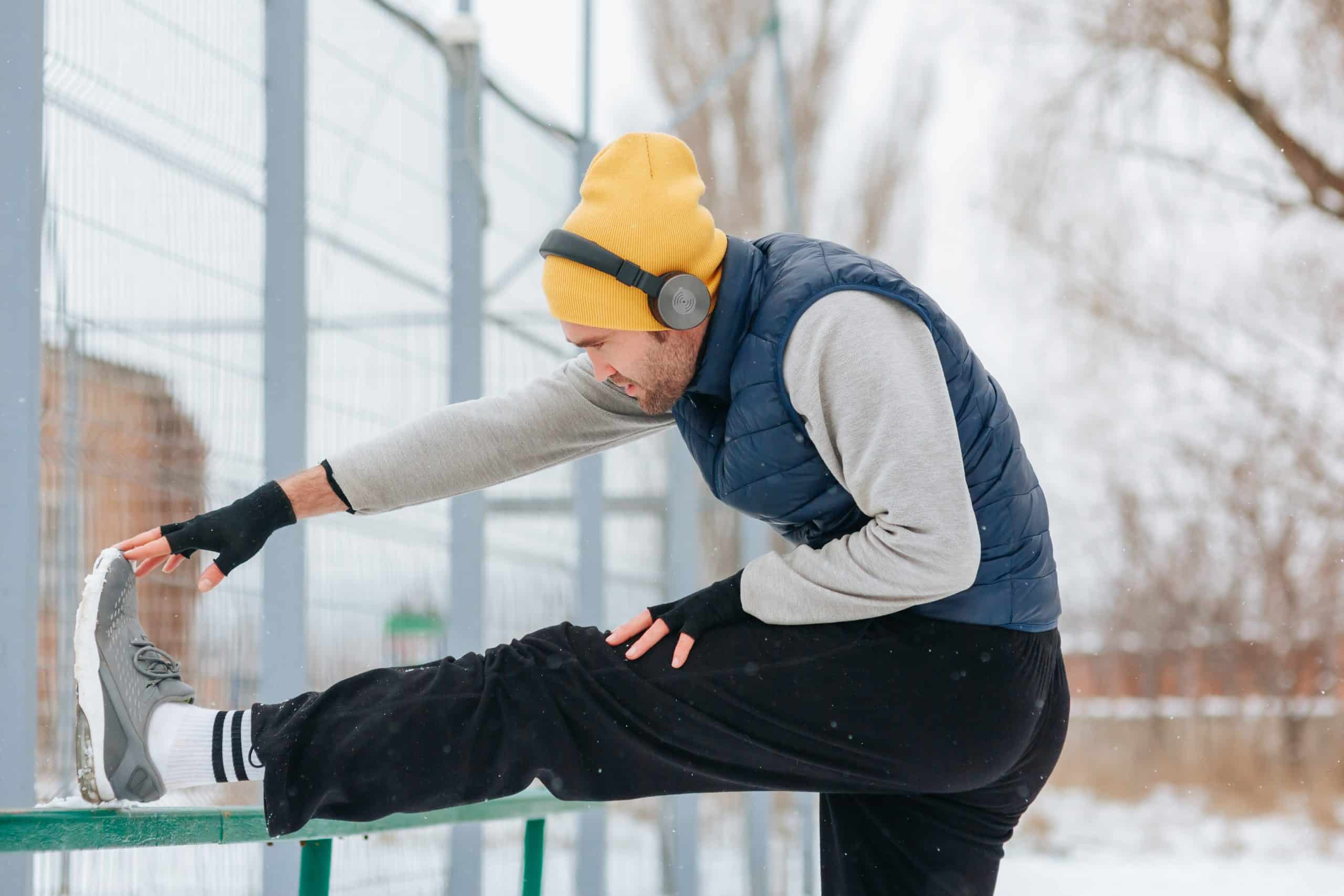
For many people living with sciatica, winter doesn’t just bring colder temperatures; it often brings a noticeable increase in back and leg pain. If you find your sciatica flaring more in winter months, this could be due to seasonal changes. A cold Wisconsin winter can worsen nerve irritation and lead to uncomfortable or even debilitating symptoms.
At Orthopedic & Spine Centers of Wisconsin (OSCW), we understand how frustrating seasonal sciatica flare-ups can be. Here’s why winter can make symptoms worse and more importantly, what you can do to find relief.
What Is Sciatica?
Sciatica occurs when the sciatic nerve (the body’s largest nerve) becomes compressed or irritated. This nerve travels from the lower back down through the hips, glutes, and legs. When it’s aggravated, it can cause:
- Sharp or shooting leg pain
- Numbness or tingling
- Muscle weakness
- Burning sensations
- Pain that worsens with sitting or standing
Conditions such as herniated discs, spinal stenosis, or tight lower back muscles can trigger sciatica, and winter often makes these symptoms much worse.
Why Winter Can Worsen Sciatica Pain
1. Cold Temperatures Tighten Muscles
Cold weather naturally causes muscles and soft tissues to stiffen. When the muscles around the lower back and hips tighten, they can put additional pressure on the sciatic nerve, leading to more frequent or intense flare-ups.
2. Reduced Activity Levels
Shorter days and icy sidewalks often mean less movement during winter. Reduced activity can weaken supporting muscles and cause the spine to become less flexible, making sciatica symptoms more pronounced.
3. Barometric Pressure Changes
Shifts in barometric pressure before snow or cold fronts can cause joints and tissues to expand slightly. This can increase nerve sensitivity and make existing inflammation feel worse.
4. Poor Posture from Staying Indoors
More time indoors often means more time sitting, on couches, at desks, or working remotely. Poor posture can strain the lower back and irritate the sciatic nerve, intensifying discomfort.
Ways to Manage Winter Sciatica Symptoms
While you can’t control the weather, you can take steps to reduce flare-ups and protect your spine.
To stay comfortable and prevent lower back or sciatic discomfort, it’s important to keep your core and lower back warm, as cold muscles are more prone to tightening. Wearing warm layers, using heated blankets, or applying a heating pad can help relax stiff tissues.
Keeping your body moving with gentle activities like walking, stretching, or low-impact exercise also helps maintain joint mobility and reduces pressure on the sciatic nerve. Strengthening your core and hips can further support the spine and reduce nerve irritation. Simple exercises such as bridges, gentle yoga, or physical therapy can make a meaningful difference.
Paying attention to posture is also important. Sit with your feet flat on the floor, avoid slouching, and take breaks from prolonged sitting to minimize strain on your lower back.
Finally, if pain persists, consulting an orthopedic spine specialist can help identify the underlying cause and guide you toward lasting relief.
When to Seek Care
If your sciatica shows any of the following signs, it’s a good idea to consult a doctor:
- Is worsening in frequency or intensity
- Causes weakness in the leg or foot
- Interferes with sleep or daily activities
- Lasts longer than a few weeks
- Includes numbness or “pins and needles” that won’t go away
At Orthopedic & Spine Centers of Wisconsin, our team provides advanced diagnostics and personalized treatment plans for sciatica and other spine-related conditions. From non-surgical therapies to state-of-the-art interventions, we’re here to help you find relief, especially during the colder seasons.
Request and appointment today to find lasting relief in your backline from sciatica and stay comfortable during this holiday season.